

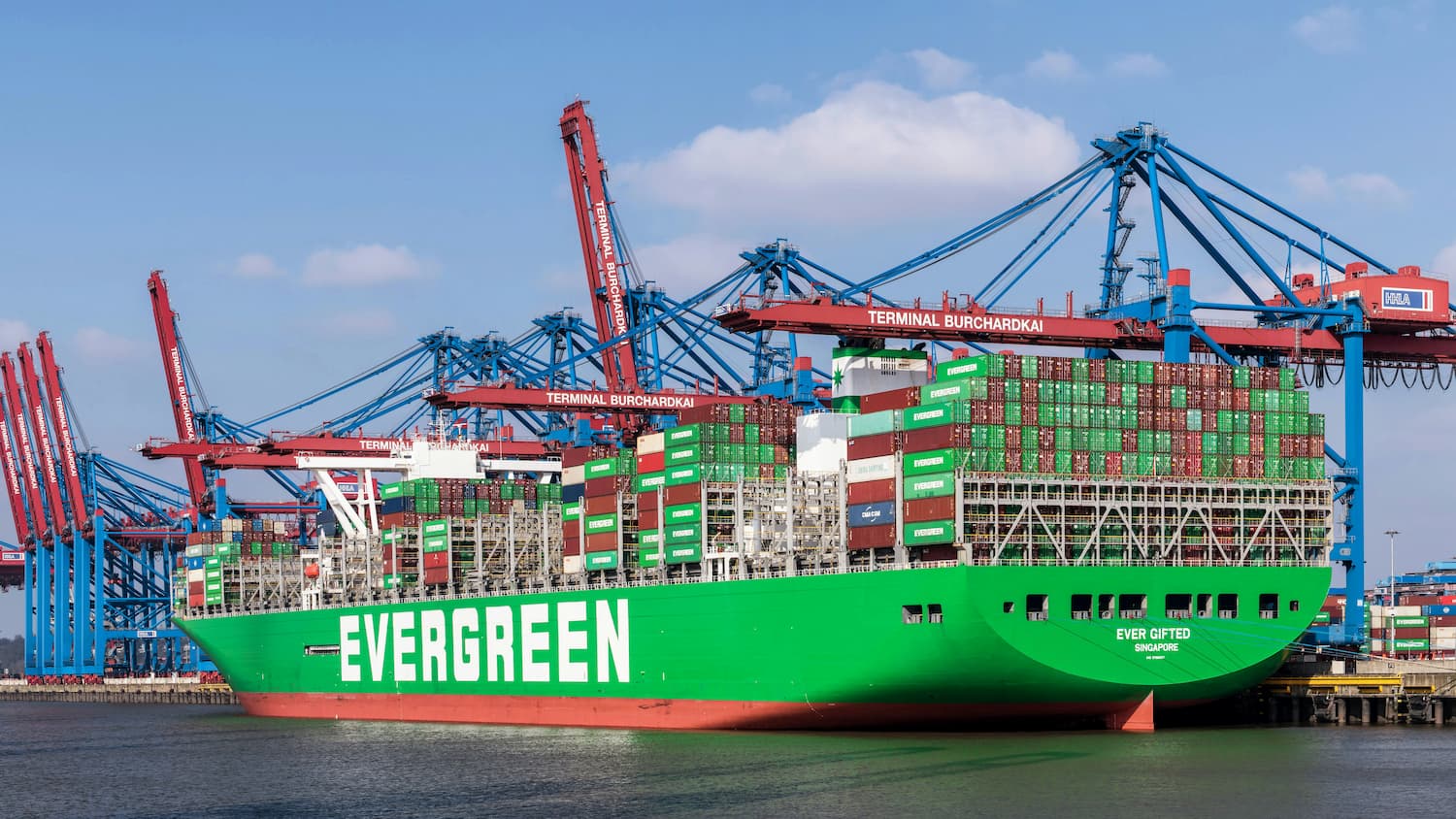
As we progress into 2025, the global economic landscape presents a mix of opportunities and challenges for investors. Understanding the interplay of tariffs, economic growth trends, and historical data from 2016-2018 can help guide educated investment strategies. This blog explores these factors to provide our insights and where we see potential opportunities or risks in the market.
Current Economic Landscape
Global Growth Trends
In 2025, global GDP growth is projected to stabilize at 2.8%-3.3%, slightly below pre-pandemic averages of 3.2% between 2010-2019[1] [2] [3] . Key drivers include:
- Disinflation: Falling inflation rates in advanced economies are creating more stable conditions for investment[2] [4] .
- Regional Divergence: While the U.S. and India show robust growth (1.9% and 6.4% respectively), Europe and China face slower expansions due to structural challenges[1] [4].
Tariff Concerns
Tariffs remain a critical factor influencing global trade and investment decisions in 2025: The years 2016-2018 were marked by significant economic events that offer valuable insights for today:
- The U.S. has hinted at potential increases in tariffs, which could disrupt global trade flows and dampen growth in both advanced and emerging markets[2] .
- Rising geopolitical tensions, such as those involving China, continue to exacerbate trade uncertainties, particularly in sectors like technology and manufacturing[1] [4] .
Lessons from 2016-2018
- Tariff Wars: The U.S.-China trade war during this period highlighted the vulnerability of global supply chains to protectionist policies.
- Key Insight: Diversification across regions can mitigate risks from tariff-related disruptions.
- Emerging Market Growth: Emerging markets like India showed strong performance during this time, driven by infrastructure investments and domestic demand.
-
- Key Insight: High-growth emerging markets remain attractive for long-term investments
-
- Tech Boom: Rapid innovation in technology sectors fueled equity markets globally.
- Key Insight: Continued advancements in AI and green technologies make these sectors prime targets for investment.
Investment Opportunities in 2025
Based on current trends and historical lessons, here are key sectors and regions to consider:
- Technology and AI
- The growing adoption of artificial intelligence is driving demand for innovative products globally, particularly in East Asia[1] [4] .
- Investment Tip: Focus on AI-driven companies in both developed markets (U.S.) and emerging markets (India).
- Green Energy
- The green transition remains a priority globally, with governments incentivizing renewable energy projects.
- Investment Tip: Renewable energy infrastructure projects in regions like Europe and India offer strong potential returns.
- Emerging Markets
- Emerging markets are expected to grow at a faster pace than advanced economies, with India leading at 6.4% GDP growth[4] .
- Investment Tip: Consider ETFs or funds focused on high-growth economies like India and Southeast Asia.
- Defensive Sectors
- Given geopolitical uncertainties, defensive sectors like healthcare and consumer staples remain resilient.
- Investment Tip: Allocate a portion of your portfolio to these sectors for stability.
Risks to Watch
While we see several opportunities, investors should remain cautious about the potential risks.
- Geopolitical Tensions: Escalating trade disputes or conflicts could disrupt global supply chains.
- Debt Levels: High public debt levels in advanced economies could lead to fiscal tightening, impacting growth[1] [3] .
- Climate Risks: Natural disasters or regulatory shifts tied to climate change could affect industries reliant on fossil fuels.
Conclusion
Investors entering 2025 should look into a balanced approach by leveraging opportunities in technology, green energy, and emerging markets while staying cognizant of potential risks from tariffs and geopolitical uncertainties. By learning from the economic dynamics of 2016-2018, we see that diversification across regions and sectors could remain key to navigating this complex environment.
Sources
- https://www.un.org/development/desa/dpad/publication/world-economic-situation-and-prospects-february-2025-briefing-no-187/
- https://www.munichre.com/en/insights/economy/economic-outlook-2025.html
- https://www.imf.org/en/Publications/WEO
- https://www.ey.com/en_us/insights/strategy/global-economic-outlook